Platform Style: Elevate Your Look and Space with Bold Design Choices
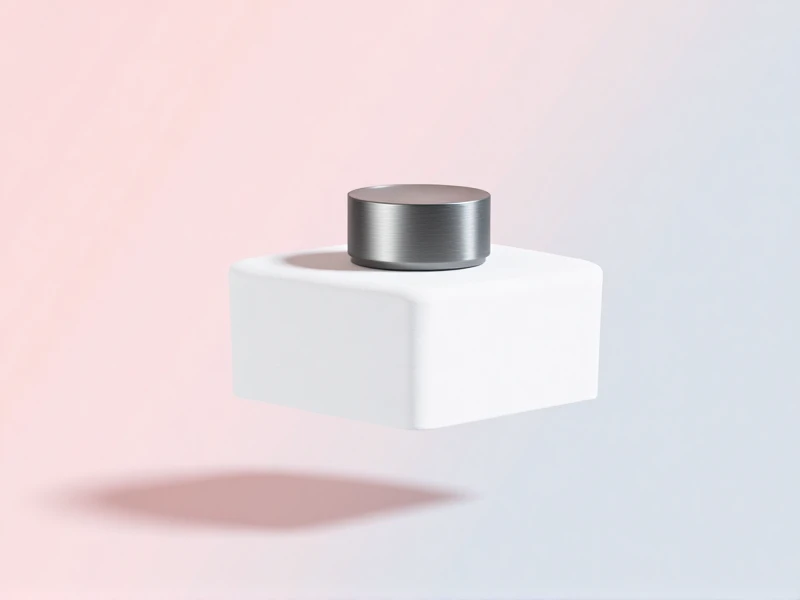
Platform style continues to reshape fashion and interior design with its daring aesthetic. Originally popularized in the 1970s disco era through iconic footwear, this trend has evolved into a multidimensional design philosophy characterized by exaggerated proportions and theatrical presence. Modern platform styles incorporate chunky soles in footwear, stacked silhouettes in clothing, and elevated foundations in home furnishings.
Three key elements define platform aesthetics today:
- Height manipulation – from raised shoe soles to tiered furniture bases
- Geometric boldness with blocky structures and layered volumes
- Retro futurism blending nostalgic disco vibes with contemporary minimalism
Fashion designers reimagine platform styles through monochromatic sneakers with architectural soles and structured jackets featuring shoulder extensions. Interior decorators apply platform philosophy through floating beds, stepped bookshelves, and multi-level coffee tables. These designs create visual impact by playing with spatial perception, adding depth to both wardrobes and living spaces.
The versatility of platform designs allows seamless adaptation across lifestyles. Streetwear enthusiasts pair thick-soled boots with wide-leg pants for urban edge, while homeowners use platform-mounted couches to enhance small apartments. Digital creators embrace virtual platform styles by incorporating visual layering techniques into social media content.
Embracing platform style requires confidence. Start with subtle accents like block-heeled ankle boots or a minimalist entryway bench before committing to statement pieces. The trend's staying power lies in its ability to transform ordinary objects into conversation pieces – proving that true style operates on multiple levels.
Platform styles show no signs of fading, continuously reinvented through sustainable materials and futuristic forms. As design boundaries blur, this audacious aesthetic challenges us to rethink perspectives around form, function, and elevation in our daily environments.